Česky
Česky


Doctor, why is it important to have a preventive gynaecological exam every year, even if a woman has no symptoms?
One of the biggest challenges with gynaecological diseases is that many of them show no symptoms in the early stages. A woman may feel completely healthy, yet changes may be developing in her body that would remain undetected for a long time without regular preventive checkups. A typical example is precancerous changes in the cervix. These usually develop without any symptoms, and their progression to invasive cancer can occur unnoticed for many years. Similarly, some ovarian tumours can grow for a long time without causing any problems and often do not become apparent until a more advanced stage.
This is precisely why an annual preventive gynaecological exam is designed to help detect high-risk changes and potential diseases early, when treatment options are most effective. However, we still encounter patients who admit in hindsight that “something didn’t feel right” for quite some time, but that embarrassment, a heavy workload, or a difficult family situation discouraged them from seeing a physician. While gynaecological exams may not be everyone’s favourite, their importance for protecting one’s health is crucial.
What does a preventive gynaecological exam involve, and how long does it usually take?
A routine preventive exam takes about 20 minutes and consists of several parts. It begins with a consultation, during which we update the patient’s medical history and determine whether there have been any changes in her health since her last checkup. This conversation is also important to help the patient feel as comfortable as possible in the office. For many women, a pelvic exam remains a stressful experience, and these concerns often do not disappear entirely with age.
This is followed by the examination itself. I keep the patient informed throughout the process about what is going to happen to avoid unnecessary anxiety.
The first step is an examination using a speculum, during which we assess the condition of the cervix and collect a smear for cytological testing. This serves to detect precancerous and cancerous changes at an early stage. For women aged 35, 45, and 55, a test for human papillomavirus (HPV) is also performed as part of the preventive exam, which significantly contributes to the early identification of women at increased risk of developing cervical cancer.
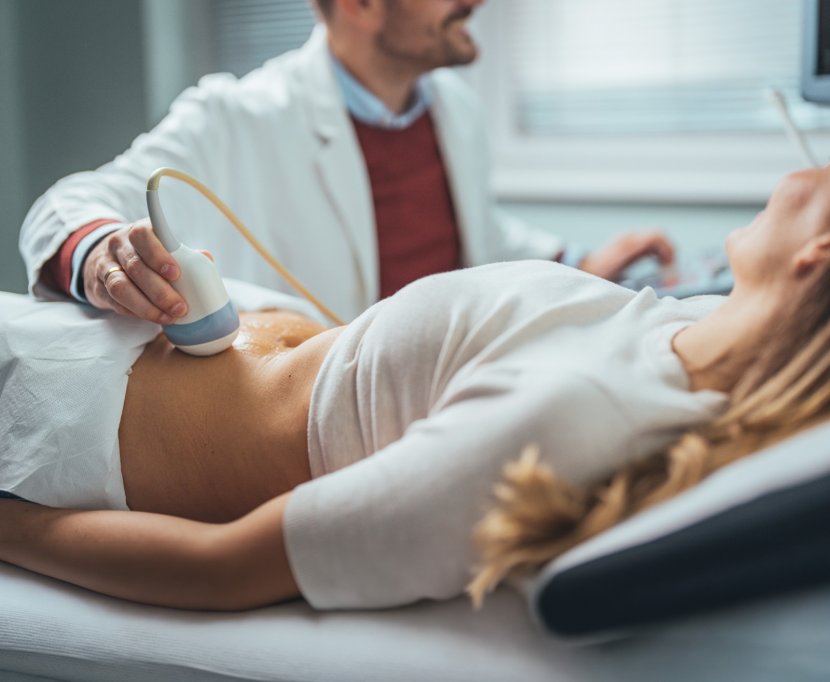
Another component is an examination of the internal gynaecological organs, which is often supplemented today with a pelvic ultrasound. Ultrasound allows for a more accurate assessment of the uterus, ovaries, and other structures, and is painless for the patient. Education on breast self-examination is also part of preventive care.
For some women, a gynaecological exam can cause embarrassment or anxiety. In your opinion, what role does trust between the patient and the physician play, and what can help women overcome these feelings?
Without mutual trust, the relationship between the patient and the physician cannot function well. In gynaecology, I believe this is doubly true. The patient must feel safe and know that she can confide in her physician about any problem. That’s why I always tell my patients that embarrassment is not allowed in the outpatient clinic. Complete confidentiality goes without saying. Everything a patient shares in the office remains between her and the physician.
I also consider it very important that patients not have to see a new physician frequently. The relationship between a patient and a gynaecologist is built over many years and is very personal. Nothing alleviates anxiety as much as the knowledge that you’re sitting in the office of someone you know, someone you trust, and someone who knows you well. Then it’s much easier to talk not only about health issues but also about everyday topics.
What conditions do you most commonly encounter during preventive checkups? And which of them can be successfully treated thanks to early diagnosis?
The range of conditions that can be detected during a preventive exam is very broad. Some issues, such as irregular periods, pain, or urinary incontinence, prompt patients to see a physician on their own. Other conditions, however, progress for a long time without symptoms, and it is precisely in these cases that prevention is absolutely essential.
These primarily include changes in the cervix or certain conditions affecting the ovaries, which may not be detected in time without a targeted examination. Prevention is important at every age, including for postmenopausal women who no longer have a regular menstrual cycle or any symptoms.
Preventive care also includes recommendations for breast examinations, such as mammography screening or ultrasound examinations, depending on the patient’s age and risk factors.
Many women associate gynaecologists primarily with contraception, pregnancy, or preventive checkups. What other issues can a gynaecologist help women with?
Some issues are typically linked to specific stages of a woman’s life. For younger women, we most often address contraception or irregular or painful periods. Women of childbearing age are often troubled by uterine fibroids, endometriosis, or gynaecological infections. In contrast, women during and after menopause visit the office due to incontinence or various symptoms of estrogen deficiency following menopause.
For the sake of completeness, we must not forget that a gynaecologist is also an obstetrician and provides comprehensive care for pregnant women, addressing any complications related to pregnancy.
Appointments
You can schedule a preventive checkup:
by phone: 233 555 000
by email: recepce@akeso-poliklinika.cz