Česky
Česky


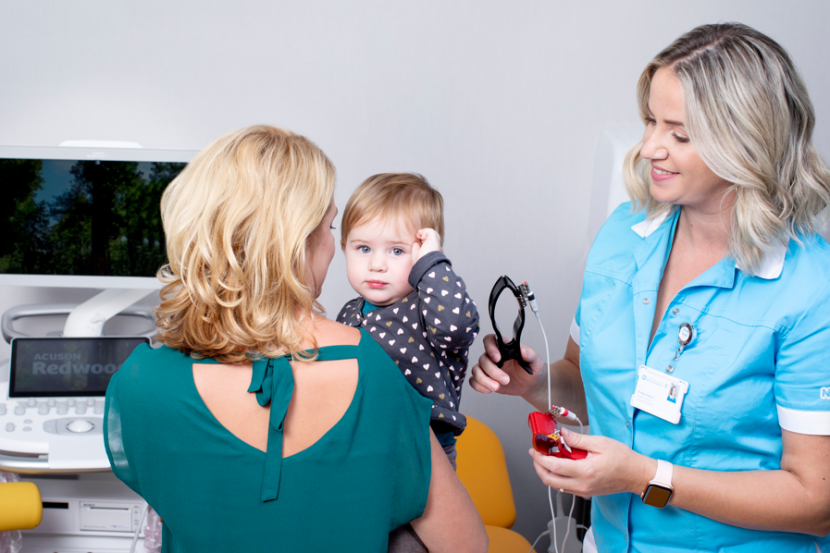
The podcast Congenital Heart Defects: a Guide for Parents and Patients introduces the topic of pediatric cardiology and congenital heart disease to the public. Jan Kovanda, M.D., Ph.D., pediatric cardiologist from AKESO POLIKLINIKY, was a guest on one of the episodes, detailing the examination process and modern diagnostic methods.
Fear is not out of place
Many parents and children are apprehensive about visiting a cardiologist. "Paediatric cardiology has advanced incredibly in recent years. We are now able to make most diagnoses using painless ultrasound methods that do not put any strain on the child. The important thing is to arrive on time and not to be afraid to ask everything that parents are interested in," explains Jan Kovanda, MD, PhD.
How is the examination at the paediatric cardiologist conducted?
An examination at a pediatric cardiology clinic involves several steps:
- Medical history - the doctor asks detailed questions about the health of the patient and his relatives.
- Physical examination - using a stethoscope, he listens to the heart action and looks for possible abnormalities.
- Non-invasive diagnostic methods - the most common include ECG, echocardiography and measurement of oxygen saturation and pressure.
- Advanced methods - if necessary, additional tests such as MRI, CT or diagnostic catheterisation procedures may be performed.
Why listen to the episode?
The interview provides useful information that can help parents better understand their child's health and overcome fear of testing. Jan Kovanda, M.D., Ph.D., also discusses the topic of modern technology and its impact on early diagnosis of heart defects, including the use of smartwatches. You can listen to the full interview HERE.