Česky
Česky


"Increased muscle activity in brain and spinal cord injuries is also associated with muscle shortening and impaired mobility. The degree of spasticity is not always the same, some people suffer from mild muscle stiffness, others have severe, even painful conditions. If the muscle tension does not appear immediately after a stroke or other disease, the patient is not out of the woods yet," explains neurologist Jan Žák, MD.
The status of Regional Spasticity Centre was granted to the neurological department of Hospital Hořovice in 2022. Now patients can also use the outpatient clinic at AKESO POLICLINICE in Prague, which is an affiliated department of Hospital Hořovice. Both facilities also continue to cooperate with the Rehabilitation Hospital Beroun to ensure a multidisciplinary approach to treatment.
"It is not possible to cure spasticity, but by starting therapy early we can alleviate it, thus reducing patients' discomfort and improving their quality of life," adds Žák.
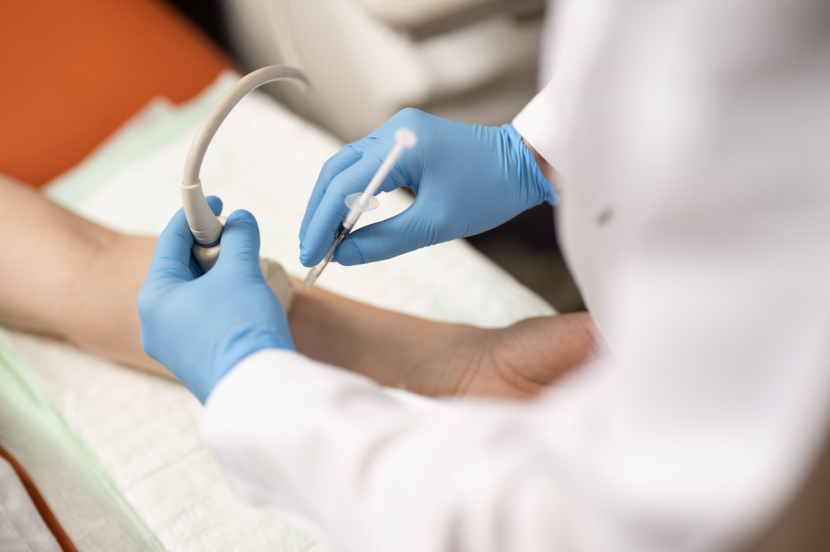
The basis of treatment is rehabilitation, including physiotherapy focused on stretching the muscles, strengthening the muscles performing the movement, splinting and occupational therapy. Pharmacological therapy is important, using a substance that is also used to smooth wrinkles, namely botulinum toxin injected into the affected muscles.
The doctor has other options in reserve - he can use muscle relaxants (tizanidine, baclofen), ev. benzodiazepines or medical cannabis. For severe spasticity to affect multiple muscle groups, baclofen can be administered into the spinal canal using a pump. The last resort is then surgical treatment.
"The team that takes care of the patients includes a neurologist, a rehabilitation doctor, physio and occupational therapists trained in the subject and a speech therapist, and we have an ultrasound and EMG machine at our disposal," adds the neurologist.